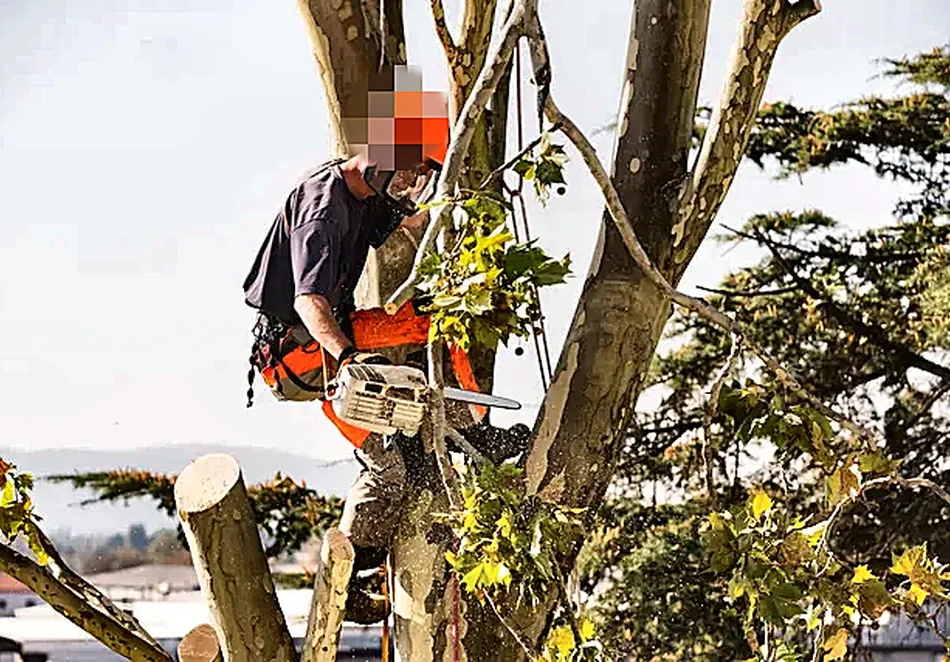
Thoughtful tree care, tailored to your tree and property.
Pine tree pruning · Senija. Careful tree assessment and pruning.
Tree care around Senija
Senija combines compact village streets with agricultural plots and scattered properties. We begin with the site layout: can branches be lowered without reaching a roof or wall, is there enough space to work safely, and how will green waste reach a vehicle? A suitable method depends on the tree and the exact property, not a standard treatment for the entire town.
Established shade trees can make outdoor spaces substantially more comfortable, so we do not recommend indiscriminate crown reduction. We distinguish deadwood removal, limited clearance for a genuine obstruction and situations requiring detailed inspection. Photos help with an initial discussion, but large or structurally compromised trees generally need a site visit before a firm quotation.
Access, site protection and removal of branches
We begin with photographs taken from a safe position. We check the entrance, nearby roofs and walls and the available loading space. Removal, transport and any skip are specified in the quote. For difficult tree work, the method should not be chosen from a single photograph.
Pine trees need a measured approach
A pine is not a hedge and does not respond well to indiscriminate topping. We look at deadwood, branch loads, structure and nearby buildings. Needle fall by itself is not a reason to remove large portions of a healthy living crown.
Choosing the right scope for this tree and this garden
It helps to decide in advance which outcome matters most: removing deadwood, improving clearance, addressing a specific hazard or making routine maintenance easier. An all-purpose instruction such as ‘trim everything’ leaves too much room for misunderstandings. We can work with you to agree which branches are included and which are deliberately left untouched. If new concerns become visible once the work starts, they should be explained before the scope changes.
There is also a difference between an immediate concern and a long-term maintenance objective. If a branch is hanging or a tree appears unstable after a storm, keep people away and arrange an appropriate assessment. By contrast, aesthetic changes can usually be planned for a suitable time. We discuss access, the number of trees, surrounding structures and the proposed waste handling so that a quotation reflects the real work rather than a standard figure.
Before confirming a job, think about the space beneath the tree. A parked car, outdoor furniture, ornamental pots, irrigation lines or a neighbour’s fence can all affect the sequence. Some items can be moved or protected; others mean a different work method is necessary. Clear photographs and a brief conversation often identify these issues early, but complex or high-risk work still needs an appropriate on-site assessment.
Choosing a sensible approach rather than simply cutting more
The amount of wood removed is not a measure of a successful job. Before pruning, we identify the actual reason for intervention: deadwood, a branch rubbing against a roof, clearance over a path, damage after strong wind or the need to guide future growth. Different aims require different cuts, and not every issue can be resolved safely by reducing the canopy.
A selective approach can protect shade, appearance and the long-term structure of a tree. Excessively large cuts may leave substantial wounds or stimulate poorly attached growth, depending on the species. If the safest response is observation, a limited intervention or a specialist assessment, that should be discussed openly rather than selling the most extensive job.
It is worth thinking about the years after the work, not only the immediate appearance of the garden. A tree that has been cut too hard may produce vigorous shoots that need attention later, while large wounds can be difficult for some species to compartmentalise. We therefore discuss whether an issue can be managed gradually. For example, clearance from a roof may require only a few selected branches, whereas pruning a damaged crown can involve a sequence of decisions about which limbs contribute to stability. We also try to set expectations: removing branches does not automatically make a leaning tree sound, stop roots causing damage or prevent future storms. Each of those concerns calls for a different assessment.
If your goal is to recover a garden that has been neglected for years, it helps to establish priorities. We can distinguish urgent safety issues from aesthetic preferences and routine maintenance. That way the most important work can be planned first, with later tasks considered in the right season for each species. It is also reasonable to ask whether access to the tree will become more difficult after landscaping changes, new fencing or construction work. Planning for future maintenance can reduce avoidable damage to the garden.
Pine tree pruning — Choosing a sensible approach rather than simply cutting more
Pines should never be treated as if they were broadleaf trees that can simply be topped and expected to regrow a normal crown. Severe topping and indiscriminate removal of live branches can cause permanent damage. We concentrate on clearly justified interventions and consider the species and overall condition.
Dry or broken branches over access routes deserve attention, but removing lower limbs or opening the canopy is not automatically a solution to wind exposure. A leaning pine, suspect root anchorage or storm damage may call for closer assessment rather than more pruning.
Carob, olive, ficus, citrus and other Mediterranean trees
Mediterranean gardens can contain old carob trees, olives, citrus, figs, ficus, pines and many ornamental species. They do not respond to pruning in the same way. Fruit trees may need selective work linked to their productive cycle; a mature ornamental tree often needs structural restraint; a large ficus raises additional questions about load, spread and nearby structures.
We ask you to identify the species if you know it, but a clear set of photographs is useful even when you do not. The season, tree health, earlier pruning and position of the branches help determine what is appropriate. We do not apply one pruning calendar or one percentage of canopy reduction to every tree.
Carob and olive trees can be especially valuable as established features of a Mediterranean property. Their age and form are part of the garden’s character, so a request to “make the tree much smaller” needs careful discussion. Ficus species may form broad, heavy limbs, and the space between a tree and a nearby wall can matter as much as its height. Citrus trees usually prompt different questions, such as improving access to fruit, removing damaged wood and avoiding unnecessary interruption of growth. These examples explain why the same quotation template does not suit every specimen.
Where a tree has already been pruned severely, the new shoots and old cuts need attention. It may be possible to guide regrowth selectively rather than cutting everything back again. For some specimens the best decision is not more pruning at all. We can also discuss whether the concern is actually about shading, fallen leaves, sticky deposits, surface roots or clearance for a vehicle. Naming the problem precisely helps avoid cutting healthy limbs for a result that pruning cannot achieve.
Why an assessment matters before work begins
Tree defects are not always visible from one angle. A large branch can look healthy from the driveway while showing damage on the opposite side. Conversely, an old hollow, a leaning trunk or sparse foliage does not automatically justify removal without context. A good discussion starts with what has changed, what worries you and whether anyone is at immediate risk.
It is useful to distinguish urgent hazards from routine maintenance. Where there is a hanging branch, severe storm damage or possible contact with live electrical cables, keep people away and seek the appropriate emergency or utility professionals. Photographs should always be taken from a safe position at ground level.
What we look at before preparing a quotation
We normally need the approximate location, access arrangements, several photographs and a short description of the problem. During a site assessment we consider tree size and structure, deadwood, visible unions, nearby buildings, power lines, planting beds, hard landscaping and where debris could be lowered or collected.
We also discuss practical requirements: is the property occupied, can vehicles reach the garden, must the pool or paving be covered, and do you want timber retained? This information shapes the sequence of work and makes quotations more meaningful. An initial photo review is helpful but cannot replace an on-site inspection where the risks or scale are uncertain.
Photographs are most useful when they show the trunk at ground level, the full crown and the distance to nearby objects. A close-up of a single damaged branch can be added, but it should never be taken by climbing or standing underneath unstable material. If there have been changes after a storm, mention when they occurred and whether any branches have already fallen. We may ask for the width of a gate, whether vehicles can park close by, and whether neighbours share an access route. None of these questions are bureaucracy for its own sake: they help us avoid an unsuitable plan.
It is equally important to understand who can authorise the work. If you manage a holiday property for someone abroad, the owner’s approval and any community restrictions should be clarified before pruning or removing important limbs. A well-defined brief also helps if several people are involved in deciding what should be cut. Photos marked with the relevant branch can prevent misunderstandings, provided those photos are taken safely.
Planning the work and protecting your property
Professional planning begins before the first cut. The work zone needs to be controlled so that clients, pets and passers-by are kept away from falling branches, tools and moving machinery. Depending on the tree and access, work may involve ground-based equipment, suitable access platforms or qualified climbing methods. The safest method is the one justified by the actual site.
Our quotation process should make clear how the surroundings will be protected and whether timber needs to be lowered in sections. Work close to buildings, roads or electrical infrastructure may require extra coordination or external specialists. No responsible provider should promise that every high-risk tree can be dealt with immediately or without further checks.
Safety is not only about the person holding the saw. There may be a worker handling ropes or debris, someone supervising the area, and a vehicle entering or leaving the site. A sensible method keeps those activities apart and anticipates where cut sections could swing or roll. Flower beds, ornaments, glass and irrigation equipment may need protection or relocation before the job. Weather matters too: wind, rain or unstable ground can make a method unsuitable even when it seemed straightforward during the initial visit.
If branches extend over the boundary, we need to clarify access and avoid assuming that the neighbouring property can be used without permission. Similarly, working around a public footpath may require more controls than working inside a gated garden. Equipment choice follows the risk assessment, not the other way round. A small crane, platform or climbing setup is not automatically the right answer simply because it looks impressive.
Branches, timber and green waste: what happens afterwards
Before work begins, agree what will happen to branches, leaves and trunk sections. Cutting, stacking, shredding, loading and transporting material are different tasks. A large tree can generate far more debris than its standing crown suggests, and the means of removal can have a significant effect on both access and price.
If you would like to keep suitable timber, tell us beforehand so it can be included in the plan. For green-waste removal, we should clarify the collection point, likely volume and whether a skip, trailer or multiple trips may be needed. The goal is to leave responsibilities clear instead of having an unexpected pile at the end.
There is a difference between leaving a garden tidy and removing every piece of organic material from a property. Some owners want branches chipped for suitable reuse, others prefer all material taken away, and others want thicker sections retained. We can discuss these options, but the final method must suit the site and comply with applicable waste rules. Heavily woody branches, leafy growth and trunk sections occupy different volumes, so photographs of the standing tree alone may not establish the exact number of trips or containers required.
Before work begins, think about where material can be placed without blocking a driveway, pavement or neighbour’s access. If a skip is needed, placement and any permits must be considered. A clear arrangement avoids additional handling and reduces disturbance for residents. Where a job spans more than one day, the storage plan is particularly important because the site may remain in use between visits.
What affects the price of the work
A useful quotation is based on the tree and the working conditions, not on a generic price per metre. Height alone does not determine difficulty. Branch diameter, number of trees, the risk to surrounding structures, access for machinery, the need for controlled lowering and the amount of green waste all contribute to the total.
Ask for the scope in writing: which branches or trees are included, whether the work involves crown reduction or only deadwood, whether waste will be removed and what happens if a hidden complication is discovered. Clear choices protect both the owner and the team and help you compare quotations fairly.
Comparing two quotations can be difficult when one says simply “prune tree” and another describes access, protection and removal. A lower price is not necessarily cheaper if the final scope leaves you with extensive waste or excludes the most difficult branch. Ask whether the quotation covers a single visit or several stages, what happens if weather interrupts the work, and whether the agreed price includes any material handling. It should also be clear which decisions can be made on site and which require your approval.
We do not recommend choosing an approach solely because it produces the largest volume of pruning. A cheaper, more restrained intervention may solve the immediate issue and reduce long-term problems. Conversely, a hazardous branch above a delicate structure may need controlled lowering and extra planning even when the actual amount of cutting is small. A transparent quote should explain those differences in plain language.
Protected trees, permissions and responsibilities
Some trees or plots may be subject to municipal conditions, protected-tree rules, environmental restrictions or obligations established by a community of owners. Requirements can depend on the species, the land classification and the precise work proposed. A tree growing on private land is not automatically exempt from every restriction.
Before substantial pruning, felling or work near a protected area, clarify whether permission is necessary with the relevant authority. We can help define the proposed scope, but any legal or technical authorisation must be verified for the individual property. A pruning company should never treat a verbal assumption as a substitute for the required permission.
Frequently asked questions
Can you quote from photographs?
Photographs help with an initial discussion. Large trees, unstable limbs and difficult access may still require an on-site visit.
Is removal of branches included?
Only if specified. Cutting, chipping, loading, transport and disposal should be described separately where relevant.
When is the best time to prune?
That depends on the species, its condition and the reason for pruning. Urgent safety concerns are assessed separately.
Can you work while I am abroad?
It may be possible with access arrangements and clear authorisation from the person responsible for the property.
Do I need permission?
Some situations require a municipal or other authorisation. Check the precise plot and proposed scope before work.
What if a tree is close to power lines?
Keep your distance and contact the relevant electricity network operator. Do not attempt cutting near live conductors.
Can a mature carob or olive be preserved?
Often the first question should be how to retain a valued tree and address the specific problem with minimal intervention.
What should I send you?
The location, species if known, photographs taken safely, the concern and whether you need removal of debris.
Frequently asked questions
Can you quote from photographs?
Photos allow an initial indication, but a final price depends on tree condition, access, height, protective measures and the amount of waste.
Is green-waste removal included?
The agreed scope is stated in writing. Removal, transport and any skip must be clearly included in the quotation if required.
Can every tree be cut without further checks?
No. Species, legal protection, applicable periods and impacts on public space or services must all be considered.
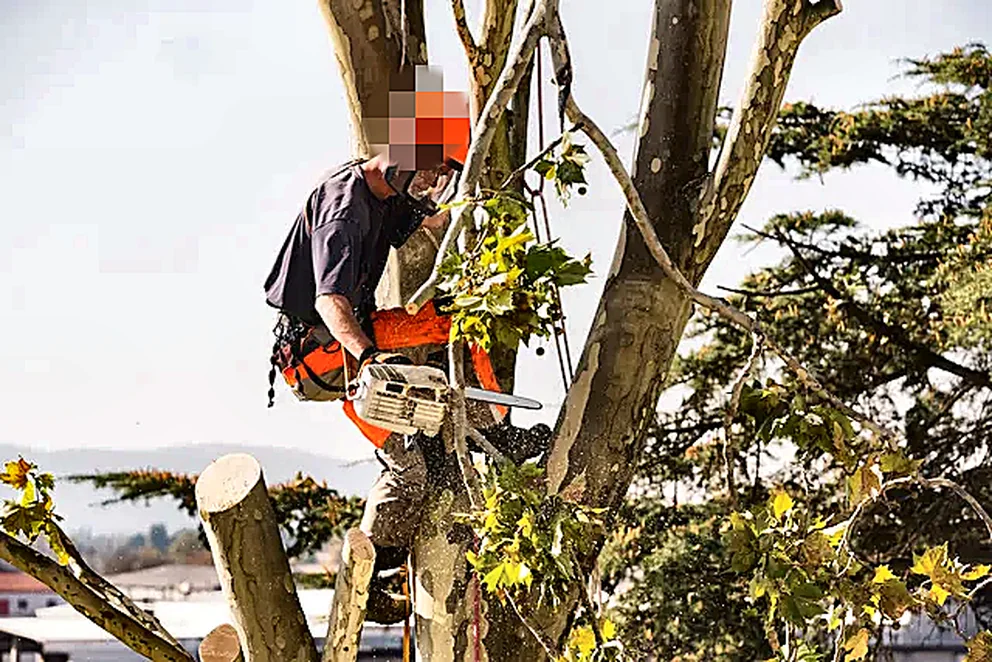
Need an assessment for a tree in Senija
Careful tree assessment and pruning
Specialist tree services and local areas
Explore local service pages. Each link leads to a published page in this language.
Tree removal and pruning by town
Find published local pages for pine removal, tree removal and ficus pruning.
Would you like an assessment?
Tell us where the tree is, what species it may be and what you are hoping to achieve. We will explain the next steps and what a clear quotation should cover.
Request a quote ↗Look before you cut.
Share photographs taken from a safe place. We consider the species, visible condition, access and scope. If permits or a specialist inspection are needed, we will say so.